Meet Nisha
Nisha Jackson, Ph.D., is a nationally recognized hormone expert and functional medicine specialist. Nisha is the Founder and Owner of OnePeak Medical located in Oregon, specializing in functional medicine, primary care, hormone balance, age management, and disease prevention.
For over 30 years, Nisha has sub-specialized in hormone balancing for men and women, utilizing in-depth testing and balancing treatments for the adrenals, thyroid, brain chemistry, gut, and sex hormones. Her approach to medicine successfully reverses chronic problems such as fatigue, brain fog, weight gain, depression, insomnia, loss of focus, stamina, and sex drive in men and women.
Nisha is a renowned lecturer, motivational speaker, radio host, columnist, and author. She is the founder of several supplement companies, focusing on responsible nutraceutical ingredients with the highest, most pure dosing for optimal effects and safety. Nisha founded OnePeak Laboratories, a full-service testing lab specializing in-depth endocrine/hormone testing and research. Her passion is consulting on difficult cases of hormone imbalance helping to identify critical underlying problems that are causing women and men to suffer unnecessarily. She feels it is her mission to help get this style of medicine in the hands of more people worldwide.
Nisha is the author of the best-seller, “Brilliant Burnout: How Successful, Driven Women Can Stay in the Game by Rewiring Their Bodies, Brains, and Hormones," “Hormone Survival Guide for Perimenopause," and “Surviving the Teenage Hormone Takeover."
Nisha has two daughters, Jordan and Kenz.
Jordan Blackwell, RN, BSN, MBA is the COO of OnePeak Medical, and Kenz Jackson, RN, BSN, is a “master” certified Nurse Injector and trainer in private practice in Dallas, TX.
Nisha loves spending time developing her real estate portfolio, teaching, hiking, boating, beach time, and traveling with her soulmate Michael Woods, and of course playing with her amazing granddaughter, Winnie.

Nisha's Adventures
Nisha's Speaking Engagements
A national motivational healthcare speaker, live talk show radio host, columnist, and expert on Burnout, Nisha provides intriguing, informative, lively, and simple motivational talks to various organizations and communities. Her unique history as a successful entrepreneur, Health care practitioner for over 30 years, and an author of three award winning books, Nisha brings a wide array of both personal and professional experience that engage and inspire her audiences. Click here if you would like Nisha to talk to your organization or business.
Hormone Medical Consulting
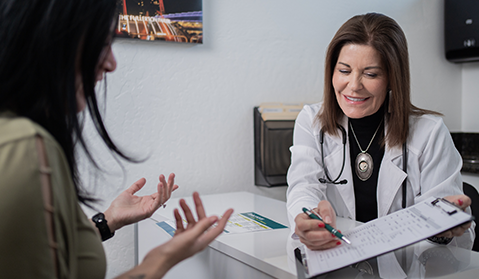
Nisha offers medical education and consulting throughout the month. If you have been diagnosed with Hypothyroidism/Hashimoto’s, Autoimmune disorders, Gut Dysbiosis or Gut issues, fatigue, body pain, insomnia, menopausal syndrome, hormone optimization, lack of sex drive and stamina, weight gain, and other lingering issues consider an appointment with Nisha, covered by most insurances and done via remote telehealth services. Click here to submit your information for a OnePeak Medical professional to contact you for an appointment with Nisha. We will provide for you a calendar of upcoming live medical appointments with Nisha with times and topics available in a 45-minute discussion format to learn the most you can about achieving body, brain, and gut balance and reversing illness.
OnePeak Medical
OnePeak Medical Clinic and OnePeak Laboratories founded and owned by Nisha Jackson are located in Oregon. The focus of OnePeak Medical is to provide patients with a unique wellness experience that redefines primary care through innovative, integrated health practices and services geared towards optimization of hormones, brain function, gut health, immune system and quick reversal of acute and chronic health care conditions that keep people from living their best and most balanced life. If you would like a consultation with one of the trained functional medicine specialists at OnePeak Medical please go to onepeakmedical.com, visits can be scheduled online and can performed at one of the medical offices or virtually. For grievances with OnePeak Medical, please submit a grievance form.